
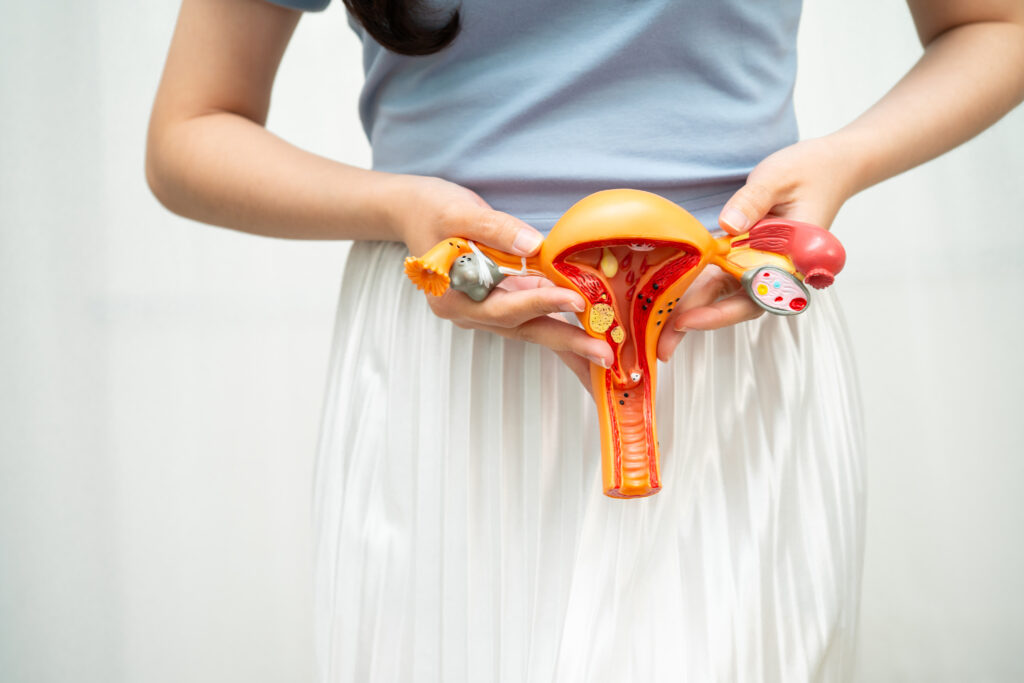
Understanding Severe Menstrual Cramps, Pelvic Pain, and Reproductive Challenges
What is Adenomyosis?
If you’re experiencing severe menstrual cramps or extremely painful periods, you’re not alone. Adenomyosis is a condition in which the inner lining of the uterus (endometrium) grows into the muscular wall of the uterus. This abnormal growth can lead to Pelvic Pain & Pressure, heavy periods, and constant pelvic pain.
Adenomyosis is often misunderstood or misdiagnosed as fibroids or other pelvic conditions. This page explains what adenomyosis is, why it happens, and what patients should know about diagnosis, treatment, and managing adenomyosis symptoms.
Key Symptoms of Adenomyosis
Common Symptoms:
- Severe menstrual cramps: Intense pain during menstruation that can interfere with daily activities.
- Extremely painful periods: Pain that is significantly more severe than typical menstrual discomfort.
- Pelvic pain between periods: Ongoing discomfort in the lower abdomen outside of menstrual cycles.
- Enlarged uterus symptoms: Uterine swelling may cause a feeling of fullness or pressure in the pelvis.
Less commonly known symptoms:
- Stabbing pelvic pain: Sharp, localized pain often occurring during ovulation or intercourse.
- Reproductive symptoms: Difficulty conceiving, changes in menstrual flow, or spotting between periods.
Symptoms that mimic other conditions:
- Adenomyosis symptoms can resemble fibroids, endometriosis, or bladder and bowel disorders.
When symptoms tend to worsen:
- Pain often peaks during periods but can also worsen during ovulation, sexual activity, or bowel and bladder movements.
Causes & Risk Factors of Adenomyosis
Adenomyosis arises when the endometrial tissue grows into the uterine muscle. While the exact cause is not fully understood, several factors may contribute to its development.
Causes:
- Hormonal: Fluctuations in estrogen can stimulate abnormal tissue growth.
- Inflammatory: Chronic inflammation of the uterus may contribute to tissue invasion.
- Anatomical or reproductive contributors: Uterine trauma from surgeries or childbirth can increase risk.
Risk factors:
- Age: Most common in women aged 35–50.
- Genetics: Family history may play a role.
- Menstrual characteristics: Early-onset or heavy menstrual cycles increase susceptibility.
- Prior uterine surgery: C-sections or fibroid removal can elevate risk.
How Adenomyosis Affects the Body
- Chronic inflammation: Can lead to persistent pelvic pain between periods and tenderness.
- Adhesions or scar tissue: May form due to repeated tissue injury and inflammation.
- Organ involvement: Enlarged uterus symptoms can affect the bladder, bowel, and surrounding pelvic organs.
- Impact on fertility: Adenomyosis can interfere with implantation and embryo development.
- Impact on quality of life: Daily activities may be limited due to severe menstrual cramps and stabbing pelvic pain.
Diagnosis: How Doctors Evaluate Adenomyosis
- Patient history: Your doctor will ask about extremely painful periods, constant pelvic pain, and menstrual patterns.
- Physical exam findings: An enlarged, tender uterus may be detected during a pelvic exam.
- Imaging options: Ultrasound, MRI, and transvaginal ultrasound can identify enlarged uterus symptoms or abnormal tissue growth.
- Surgical view: Some cases require laparoscopy to confirm adenomyosis and rule out other conditions.
- Misdiagnosis challenges: Adenomyosis is often mistaken for fibroids, endometriosis, or ovarian cysts.
- Patient expectations: Expect detailed questioning, imaging, and sometimes surgical evaluation for an accurate diagnosis.
Treatment Options for Adenomyosis
Non-Surgical Care
- Pain management: NSAIDs or prescription pain relievers can reduce severe menstrual cramps.
- Hormonal treatments: Birth control, IUDs, or hormone therapy may limit tissue growth and bleeding.
- Physical therapy & pelvic floor therapy: Can relieve stabbing pelvic pain and pressure.
- Anti-inflammatory strategies: Diet, supplements, and lifestyle modifications help reduce chronic inflammation.
Surgical Treatments
- Laparoscopy: Minimally invasive removal of affected tissue.
- Robotic surgery: Offers precision for excising adenomyosis lesions.
- Excision vs. ablation: Excision removes the tissue, while ablation destroys it without removal.
- Multi-disciplinary approaches: Collaboration with colorectal or urology specialists if organ involvement occurs.
Fertility Considerations
- Surgery may improve fertility by removing lesions that interfere with implantation.
- IVF may be recommended if fertility remains compromised.
- Adenomyosis can impact ovarian reserve, fallopian tubes, and uterine integrity.
When Surgery Is Typically Recommended
- Persistent extremely painful periods unresponsive to medication.
- Severe Pelvic Pain & Pressure affecting daily life or fertility.
- Enlarged uterus symptoms or significant heavy bleeding.
Living With Adenomyosis
- Symptom management: Track pain, bleeding, and triggers for better control.
- Pain & period tracking: Use apps or journals to monitor stabbing pelvic pain and menstrual cycles.
- Lifestyle support: Exercise, diet, and stress management can improve comfort.
- When to seek help: Sudden worsening of constant pelvic pain or new reproductive issues.
- Mental/emotional health: Support groups or therapy can help cope with chronic pain and fertility challenges.
Frequently Asked Questions (FAQs)
- Is this condition the same as endometriosis?
No, adenomyosis affects the uterine muscle, while endometriosis involves tissue outside the uterus. - Why does this cause pain during my period?
Endometrial tissue within the muscle causes uterine swelling, leading to severe menstrual cramps and Pelvic Pain & Pressure. - Can this condition affect fertility?
Yes, adenomyosis can interfere with implantation, ovarian function, and uterine health. - What causes adenomyosis?
Adenomyosis is caused when endometrial tissue, which normally lines the uterus, grows into the uterine muscle wall (myometrium). The exact cause is unknown, but it may be linked to hormonal imbalances, uterine inflammation, or prior uterine surgery.. - How long does it usually take to get diagnosed?
Diagnosis may take months due to symptom overlap with fibroids or endometriosis. - What exams should I ask my doctor about?
Ask about transvaginal ultrasound, MRI, and laparoscopy for accurate evaluation. - Can you get pregnant with adenomyosis?
Yes, it is possible to get pregnant with adenomyosis, but the condition can make conception more difficult and may increase the risk of miscarriage or pregnancy complications. Fertility treatments like IVF are sometimes recommended for those struggling to conceive. - Is adenomyosis genetic?
Adenomyosis is not directly considered a genetic condition, but having a family history of uterine disorders may slightly increase risk. Hormonal, environmental, and uterine factors play a larger role in its development.